Craving a quick escape where your drive ends at a sandy Lake Michigan beach instead of city traffic? If you are eyeing your first vacation home in New Buffalo, you likely want straight talk on prices, neighborhoods, rental rules, and what to check before you buy. This guide gives you a clear, step-by-step plan, backed by current sources, so you can move with confidence and enjoy more weekends on the water. Let’s dive in.
Market snapshot: what to expect
New Buffalo is a tight, seasonal market with a strong premium for walk-to-beach and waterfront homes. Reported values vary by source and date. As of February 2026, Redfin cites a median sale price near $758,000. Zillow’s Home Value Index, through February 28, 2026, shows a typical value around $632,555. Realtor.com’s broader area view showed median list prices in the $800,000s in December 2025. The takeaway: expect a wide range by submarket and season, with higher pricing for move-in-ready cottages near the lake.
Inventory is limited, and days on market shift with the calendar. Spring through summer often brings more listings and faster activity, while winter can offer fewer options but motivated sellers. Lakefront and harbor-proximate homes are scarce, so act quickly when a good match appears.
Home types and micro-areas
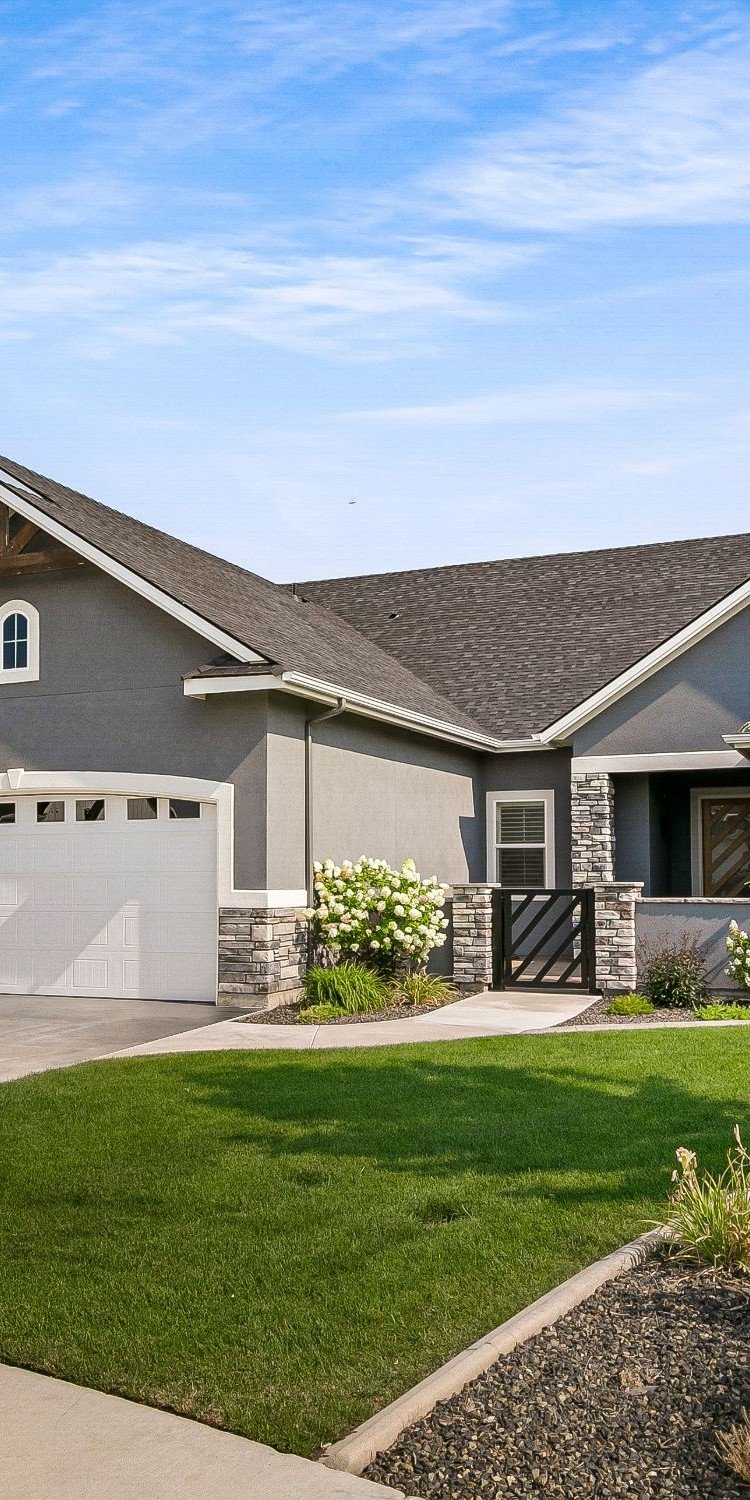
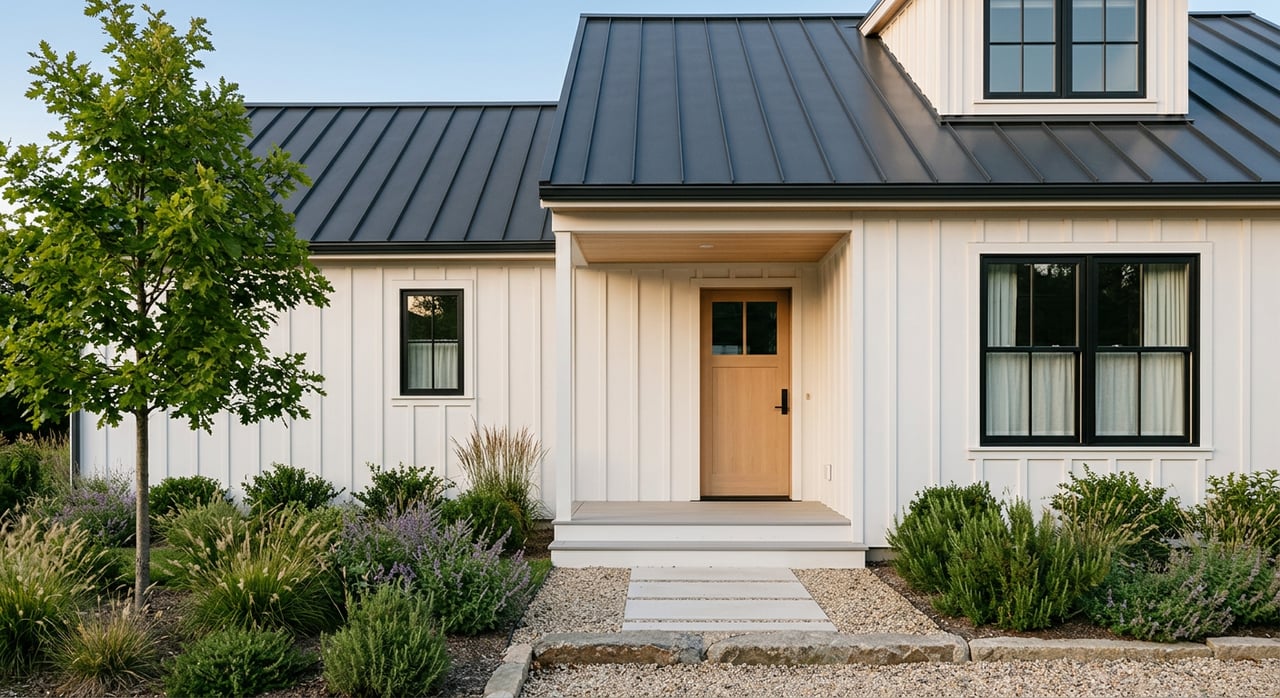
- Downtown and North End/Beachway: Classic cottages and newer builds within walking distance of restaurants, shops, the harbor, and the public beach.
- Grand Beach and Michiana: Established coastal neighborhoods with beach access, golf proximity in some pockets, and a mix of vintage cottages and newer replacements.
- Trail Creek and harbor-adjacent areas: Homes that appeal to boaters and anyone who values water access.
- Inland options: Larger lots and lower purchase prices a short drive to the beach, a practical fit if you plan to visit year-round.
Getting here and when to visit
The region’s convenience is a major part of the appeal. Harbor Country notes an approximate 90-minute drive from downtown Chicago under normal conditions, a simple door-to-shoreline weekend. You can also take the train, since New Buffalo’s Amtrak station (NBU) is served by regional routes; check the current Blue Water timetable for stops and times.
Peak season runs from late spring through summer, with strong short-term rental demand from Memorial Day to Labor Day. Shoulder months, especially May and September, are popular for quieter escapes. Local draws include beaches, the harbor and Trail Creek, downtown dining and shopping, nearby Four Winds Casino, wineries, and other Harbor Country attractions highlighted by the regional tourism page.
Short-term rentals: city vs. township
If you plan to rent your home part-time, start by confirming whether the property is in the City of New Buffalo or New Buffalo Township. Each jurisdiction has its own rules, fees, inspections, and renewal cycles, and both enforce them.
- City of New Buffalo: The city publishes STR registration, inspection requirements, and a fee schedule. Review application forms and current details on the City STR page.
- New Buffalo Township: The township requires a rental license, with inspection and licensing steps outlined on the Township STR page.
Always verify the municipal boundary for any address. Do not assume one set of rules covers the entire area. Also check HOA or private community covenants, since they can restrict or prohibit short-term rentals even if the city or township issues a license.
Taxes on short stays
Michigan applies a 6 percent state use tax to short-term lodging. Some platforms may collect and remit taxes under marketplace rules, but hosts should confirm what is collected for their specific listing and what remains the owner’s responsibility. Local or county lodging assessments can also apply and may change over time. Review Michigan’s summary and confirm details with the city or county treasurer using resources like Avalara’s lodging tax overview.
Coastal, dune, and flood considerations
Waterfront living comes with extra due diligence. Portions of the Lake Michigan shoreline and adjacent dunes fall under the Michigan Sand Dune Protection and Management Act. The state’s environmental agency, EGLE, regulates development in Critical Dune Areas. If you plan grading, vegetation changes, or shoreline work, you may need permits. Learn more on Michigan EGLE’s sand dunes page.
Flood risk varies by site. Before you offer, run a FEMA flood map check and talk with your insurance agent about National Flood Insurance Program and private flood options. Berrien County’s flood information page explains how to review maps and assess local risk. Use the Berrien County flood resource as a starting point.
Financing, tax, and insurance basics
Second home vs. investment property
Lenders treat a true vacation home as a second home if you plan to occupy it part of the year. Conventional second-home financing commonly requires a minimum down payment in the neighborhood of 10 percent for well-qualified borrowers, with many buyers opting for 20 percent to improve pricing and avoid PMI. If you plan to rely on projected rental income to qualify, or if the home will be mostly rented, lenders often require an investment or DSCR-type loan with higher down payment and different underwriting. For a clear picture of what you can borrow, get a preapproval specifically as a second home, not just a generic rate quote. See industry guidance summarized by The Mortgage Reports.
Federal tax points to discuss with your CPA
Vacation homes have specific IRS rules. If you rent the property fewer than 15 days per year, rental income may not be taxable. If you rent more than 14 days and also use it personally, your personal-use days can limit deductible losses and affect how you allocate expenses. If the property is primarily a rental, it may be treated as a rental business. Because tax outcomes depend on your exact use, talk with a CPA about the 14-day rule, personal-use tests, and recordkeeping before you buy.
Insurance and operations
Confirm that your homeowner policy covers second-home and guest use. Standard homeowner policies often exclude or limit short-term rental exposure. Ask for quotes that include guest liability and property damage coverage related to rentals, and check for winter vacancy clauses. If your FEMA map shows risk, obtain flood quotes for both NFIP and private coverage.
Due diligence checklist for New Buffalo buyers
Use this list to move from browsing to confident closing.
- Confirm the jurisdiction and zoning. Identify if the property is in the City of New Buffalo or New Buffalo Township, then review the correct STR license steps and fees. Start with the City STR page or the Township STR page.
- Validate the rental story. If you plan to rent, request recent rental statements, occupancy calendars, and cleaning and maintenance costs. Clarify what the platform collects for taxes and what you must remit.
- Understand inspections and renewals. Ask the city or township about inspection timing, renewal cycles, and contacts for compliance questions. Keep copies of forms and checklists handy.
- Ask site-specific technical questions. For lake or dune-adjacent properties, check septic permits and age, well water details if applicable, foundation and dune setbacks, any existing coastal permits or notices, and documented erosion history. Review the EGLE dune guidance if you plan changes.
- Run a flood and insurance review. Use the Berrien County flood resource to locate FEMA maps, then get NFIP and private flood quotes. Confirm vacancy and rental coverage with your insurer.
- Get the right preapproval. Apply for a second-home preapproval that reflects intended use, reserves, and down payment. If you will use projected rent to qualify, ask about investment or DSCR options. Reference guidance like The Mortgage Reports.
- Review HOA or deed restrictions. Some neighborhoods limit or prohibit STRs or require on-the-ground management. Request bylaws and rental rules early.
- Price in local services. If you will manage from Chicago, interview local property managers, cleaners, maintenance providers, snow removal, and landscapers. Factor these costs into any rental pro forma and your personal convenience.
A simple buyer workflow
- Clarify your lifestyle fit. Choose among walkable downtown convenience, direct beachfront views with more permitting and insurance work, or inland value with easier year-round access.
- Secure financing early. Get a preapproval that states second-home occupancy and the expected down payment. If rental income is part of the plan, confirm how it will be treated with your lender. See high-level guidance from The Mortgage Reports.
- Request seasonal comps and rental context. Ask your agent for recent sales by micro-area and for examples of listings that did not meet rental requirements, so you can learn what to avoid.
- Confirm STR licensing and taxes. Check city or township licensing steps and ask the treasurer which local assessments, if any, apply. The City STR page and Township STR page are your starting points.
- Vet shoreline risk and permits. Use the Berrien County flood resource and call EGLE if the property is dune or shoreline adjacent. Budget time for permits if you plan alterations.
Ready to explore New Buffalo?
With a clear plan, your first vacation home can deliver both a lifestyle upgrade and smart ownership decisions. Whether you want a walkable downtown cottage, a quiet inland retreat, or a shoreline standout, you can get there with the right guidance, vetted numbers, and local know-how. If you would like a curated list of properties, a rental-readiness check, and a closing path that fits your timeline, connect with the Judy Gibbons Group. We pair concierge service with regional expertise in Harbor Country to help you buy with confidence.
FAQs
What are current New Buffalo home prices for 2026?
- Reported values vary by source and time: Redfin cited a February 2026 median near $758,000, Zillow’s index showed about $632,555 through February 28, 2026, and Realtor.com’s December 2025 median list price was in the $800,000s.
How far is New Buffalo from Chicago, and are there trains?
- Harbor Country notes about a 90-minute drive from downtown Chicago under typical conditions, and New Buffalo’s Amtrak station is served by routes listed in the Blue Water timetable.
Can I operate an Airbnb in New Buffalo?
- Yes, if allowed by jurisdiction and HOA, but you must license and comply with local rules; confirm whether the address is in the City of New Buffalo or New Buffalo Township and follow the steps on the City STR page or Township STR page.
What taxes apply to short-term stays in Michigan?
- Michigan applies a 6 percent state use tax to short-term lodging; some platforms collect and remit, and local assessments may apply, so confirm with your platform and treasurer using resources like Avalara’s lodging tax overview.
Do I need permits to build near the dunes or shoreline?
- Possibly; the Michigan Sand Dune Protection and Management Act regulates Critical Dune Areas, and EGLE may require permits for grading, vegetation changes, or shoreline work, so review EGLE’s dune guidance early.
Should I buy flood insurance for a New Buffalo vacation home?
- Many lake-adjacent homes face some flood risk; check FEMA maps through the Berrien County flood resource and ask your agent for NFIP and private flood quotes before you finalize coverage.