Trying to compare a cozy in-town cottage with a gated new build or a sweeping country estate in the same ZIP can feel impossible. In 60010, “Barrington” means many things, and each pocket delivers a different lifestyle. If you want clarity before you tour, you’re in the right place. In this guide, you’ll learn how the main home styles differ on architecture, lot size, utilities, rules, and daily rhythm so you can focus on the life you want. Let’s dive in.
Barrington at a glance: the 60010 patchwork
ZIP 60010 spans multiple municipalities and unincorporated areas that locals still call “Barrington.” Boundaries, zoning, and services can change within a short drive. You’ll see the Village of Barrington, North Barrington, South Barrington, Lake Barrington, Barrington Hills, and nearby unincorporated pockets on the map. A quick review of the area overview helps you understand why two similar homes can have very different rules and services in play. For a visual baseline, review the area’s layout on the Barrington overview map from Statistical Atlas.
- Geography note: Municipal lines and services vary across short distances. See the broader place overview on Statistical Atlas.
- Commute baseline: The Metra Union Pacific Northwest Line serves the area at Barrington station. It is about 31.9 miles to downtown Chicago, and scheduled trips commonly run around an hour, depending on train type and time of day. Check the station’s details on Barrington station.
- Preservation context: Parts of the village core fall under a Historic Preservation Overlay that shapes renovation timelines and exterior design choices. Learn more in the Village of Barrington Historic Overlay Survey.
Village charm: historic homes near downtown
What you’ll see
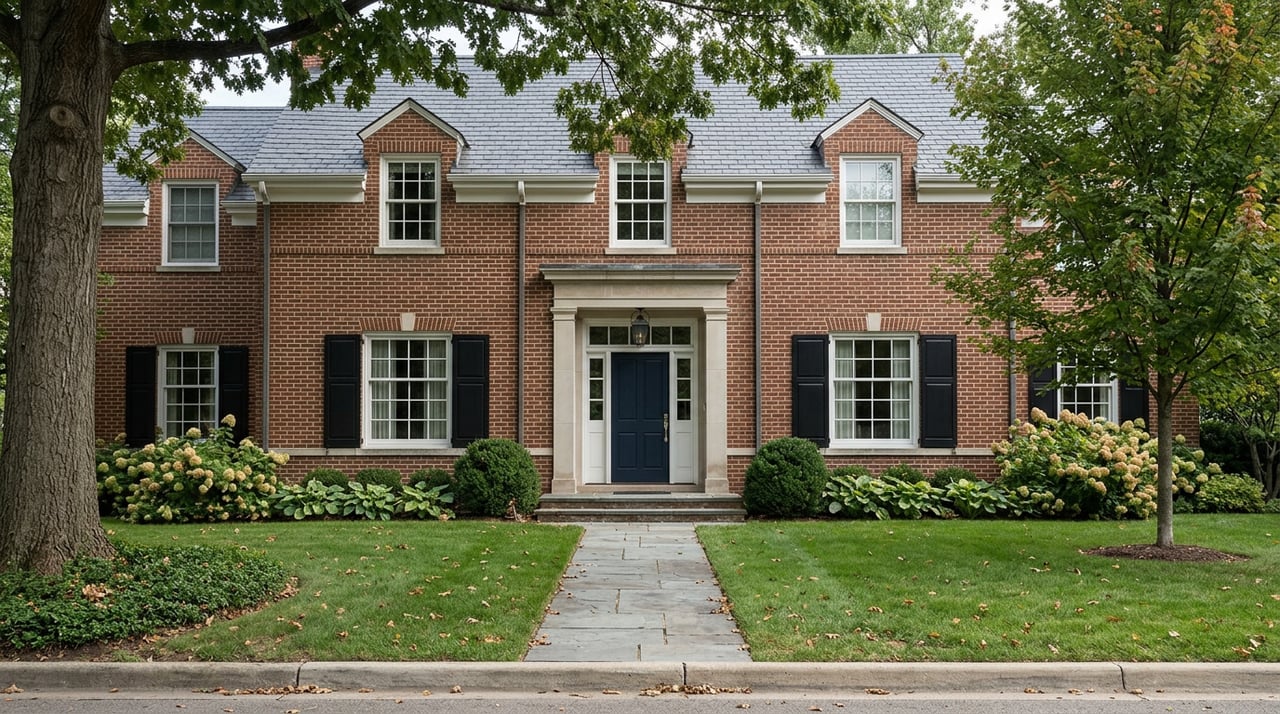
In-town streets near the village core feature late-19th and early-20th century architecture. You’ll notice Queen Anne and Folk Victorian details, American Foursquare forms, Craftsman bungalows, Colonial and Tudor Revival elements, and some Prairie influences. This mix gives the village its classic charm and tree-lined curb appeal. You can browse architectural history notes on the Barrington, Illinois page.
Lot size and utilities
Village-core parcels are typically smaller than outlying estates, often around 0.10 to 0.25 acre, with exceptions near the edges. Many homes tie into municipal water and sewer, which simplifies day-to-day upkeep compared with private systems. The Village outlines service details and planned improvements on its Water & Sewer Services page.
Ownership implications
- Renovations: If a home sits inside the Historic Preservation Overlay, exterior changes often require architectural review. Build that into your timeline and budget. See the Historic Overlay Survey.
- Systems: Expect the usual vintage-home tradeoffs. You get character and walkability, but you may plan phased updates for mechanicals, windows, or insulation over time.
Modern estate pockets: newer and gated communities
What you’ll see
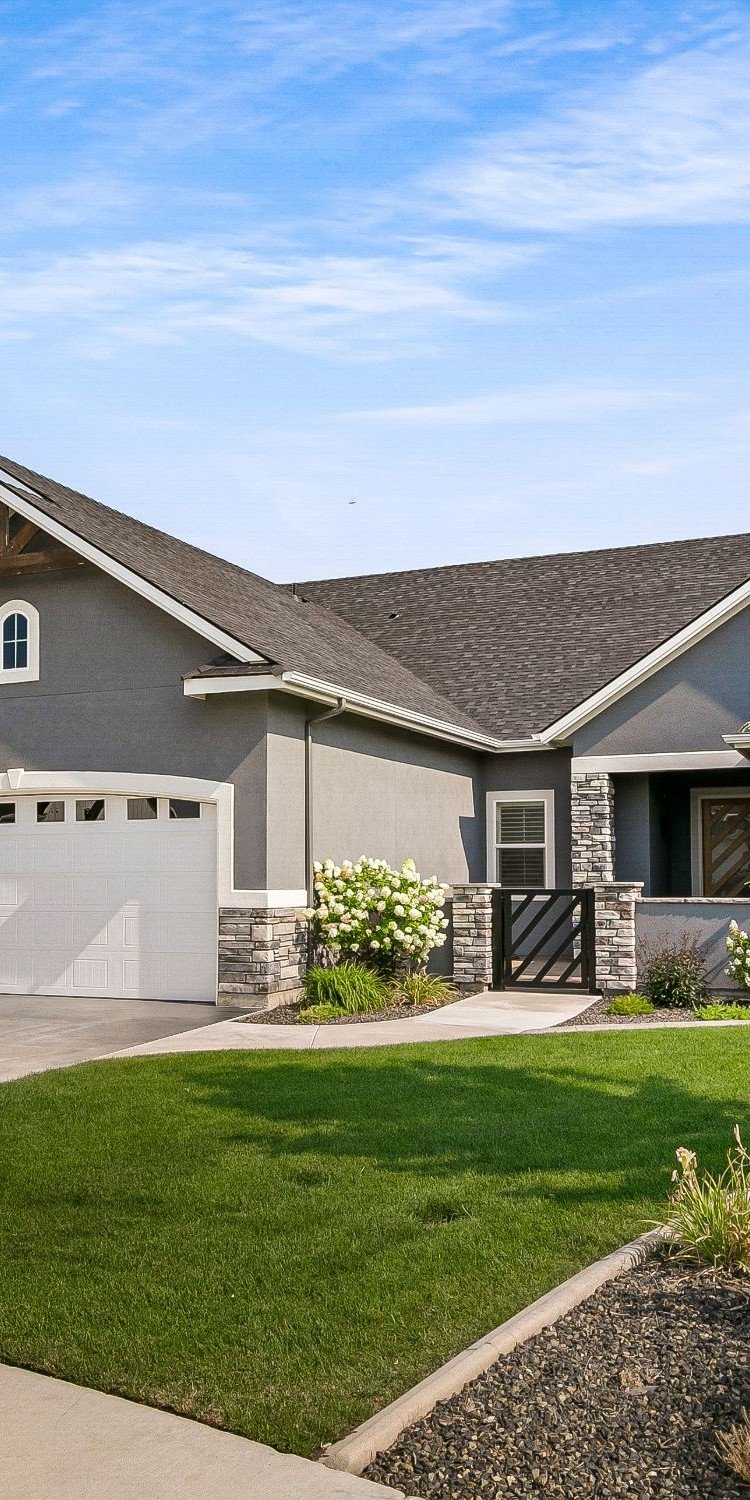
South Barrington and select areas across 60010 include newer custom homes and gated enclaves. Lots often range from roughly half an acre to two acres, with open floor plans, chef kitchens, generous ceiling heights, and multi-car garages. Many builds emphasize energy efficiency and low immediate maintenance.
HOA and design controls
In gated or planned communities, you’ll likely have a homeowners association with architectural standards, minimum home sizes, and regular assessments. You trade some design latitude for consistent curb appeal and managed common areas. Ask for covenants, architectural guidelines, and reserve studies during due diligence.
Lifestyle snapshot
Life tends to center at home with large indoor and outdoor spaces. Amenities can include paths, courts, clubhouses, or pools, depending on the community. Your commute will depend on distance to Metra or key expressways.
Estates and acreage: Barrington Hills, North Barrington, lake parcels
What you’ll see
Multi-acre properties define Barrington Hills and parts of North Barrington and Lake Barrington. You’ll find long private drives, ponds or small lakes, barns, and equestrian facilities. Historic estates mingle with modern country homes, including notable properties like the Grigsby Estate.
Systems and services
These homes often run on private wells and septic systems and may have gated entrances or multiple outbuildings. Fire and EMS coverage for many rural areas are provided by the Barrington Countryside Fire Protection District. Learn more at the BCFPD. Expect longer distances to daily errands and more hands-on property management.
Ownership implications
- Maintenance: Groundskeeping, private drives, fences, and outbuildings require ongoing attention and vendor coordination.
- Insurance and taxes: Larger parcels often mean higher insurance and property tax bills. Plan ahead in your budget.
Hobby farms and equestrian parcels
How they are used
Across Barrington Hills and nearby unincorporated pockets, you’ll find small equestrian and hobby-farm properties, often 2 to 10 or more acres. Many are configured with stalls, arenas, and storage for equipment.
Regulations to confirm
Barrington Hills has specific zoning and historical ordinance records related to equestrian uses, boarding, and facility siting. Always verify permitted uses and any special-use permits you may need with the village before you buy. Start with the Barrington Hills Ordinances.
Day-to-day realities
Expect on-site well and septic, plus specialized upkeep like arena grading, fence repairs, and scheduling farrier or veterinary visits. If you plan to board or host events, permit steps and facility standards apply.
Lot types, utilities, and rules that matter
A home’s lot and utility setup shape both your monthly costs and your closing process. Here’s what to check early.
- Municipal vs private systems: The Village of Barrington provides water and sewer in the village and select areas. Outside that footprint, you’ll usually see private wells and septic. Review the service map and policies on Water & Sewer Services. The Village also publishes future utility rate changes, including capital charges beginning in 2026.
- Well and septic due diligence: Many lenders require recent well and septic test results to close. Independent of lender rules, the Illinois EPA and CDC recommend regular well testing for safety and quality. Read guidance from the Illinois EPA and CDC well testing guidelines.
- Historic-overlay review: If the property lies in the village overlay, exterior alterations typically require approvals. See the Historic Overlay Survey.
- Roads and snow removal: In outlying areas, road care can be managed by a township, county, private association, or a mix through intergovernmental agreements. If you are looking at a private road or long shared drive, confirm who plows and pays. Explore resolution records on Barrington Hills Resolutions.
- Fire and EMS coverage: Large parcels and gated drives affect response logistics. Contact the Barrington Countryside Fire Protection District to confirm station coverage and access considerations.
Lifestyle tradeoffs by pocket
- Village-core historic homes: Walk to shops, coffee, farmers market, and community events. Smaller yards keep outdoor chores lighter, but older systems may need phased updates. Architectural review preserves the look and feel but can add steps to exterior projects.
- Newer and gated communities: Larger interiors and managed common areas make home life easy. HOAs simplify some upkeep at the cost of rules and fees. Commutes hinge on your proximity to Metra or expressways.
- Estates and acreage: Maximum privacy, room for outdoor hobbies, and equestrian potential. Expect longer drives for errands and hands-on property management.
Quick buyer checklist for 60010
- Confirm municipal boundaries and services for the address you love. Adjacent streets can have very different rules.
- Ask whether the property is in the Village Historic Preservation Overlay. If yes, request the map, process, and timeline from the Historic Overlay Survey.
- Check water and sewer. If private well and septic, budget for inspections, water testing, and any lender-required certifications. See guidance from the Illinois EPA and CDC.
- For gated or HOA communities, request full covenants, architectural standards, fee schedules, and reserve studies.
- For acreage or equestrian plans, verify permitted uses and setback rules with the village. Start with Barrington Hills Ordinances.
- Ask who maintains the road and handles snow removal, especially on private or shared drives. Check intergovernmental references on Barrington Hills Resolutions.
- Confirm fire and EMS coverage and gate access protocols with the BCFPD.
- If a Metra commute matters, factor in your time-to-station and parking or drop-off routine. Review the Barrington station.
Which Barrington style fits your life?
If you want a walkable, small-town rhythm and architectural character, the historic village core may feel like home. If you prefer newer systems, larger lots, and neighborhood standards, a gated or custom enclave could be your match. If privacy, acreage, and equestrian potential top your list, an estate in Barrington Hills or nearby pockets delivers the space and freedom you’re seeking. The right choice begins with how you want to live each day, then matching that lifestyle to a property’s lot, utilities, and rules.
Ready to see the options in person and weigh tradeoffs with a local advisor by your side? Let’s tailor a plan, from curated tours to offer strategy and presentation. Start your home story with the Judy Gibbons Group.
FAQs
How do Barrington’s municipal boundaries affect my home search?
- Different municipalities in 60010 can have different zoning, services, and renovation rules, so confirm the exact address jurisdiction and review local policies and utilities before you write an offer.
What is the Village Historic Preservation Overlay in Barrington?
- It is a review process for exterior changes in defined village-core areas; expect design and permit steps that can influence timelines and finish choices. See the Historic Overlay Survey.
Does a Barrington home have municipal water and sewer or private systems?
- Many village-core homes connect to municipal services, while many estates use private well and septic; verify service type early. Details are on Water & Sewer Services.
What should I know about buying a home with a well and septic in 60010?
- Lenders often require recent tests and certifications, and health agencies recommend regular well testing; plan for inspections and any corrective work. See the Illinois EPA and CDC guidance.
How long is the Metra commute from Barrington to downtown Chicago?
- Barrington station on the UP-NW line is about 31.9 miles from downtown, with scheduled trips commonly around an hour depending on the train. Review the Barrington station overview.