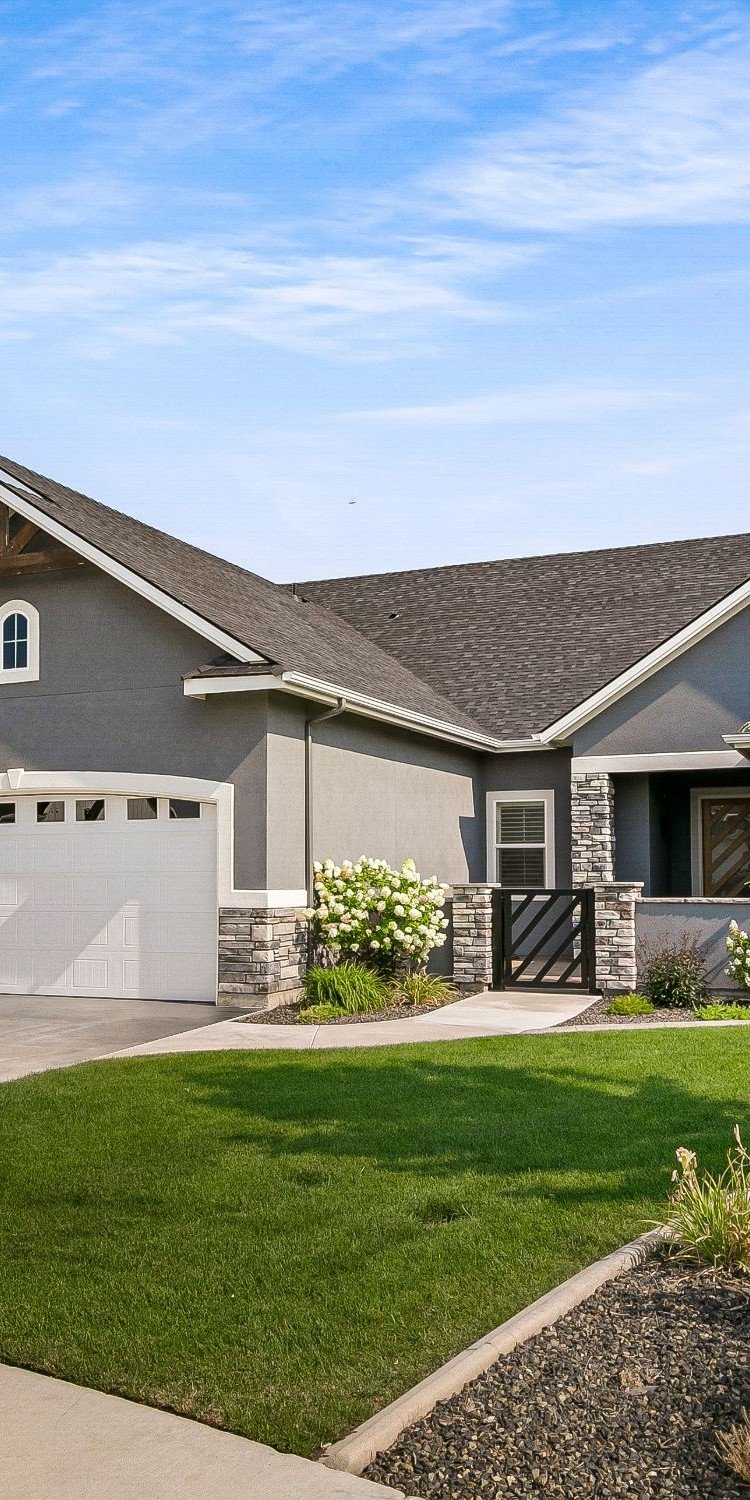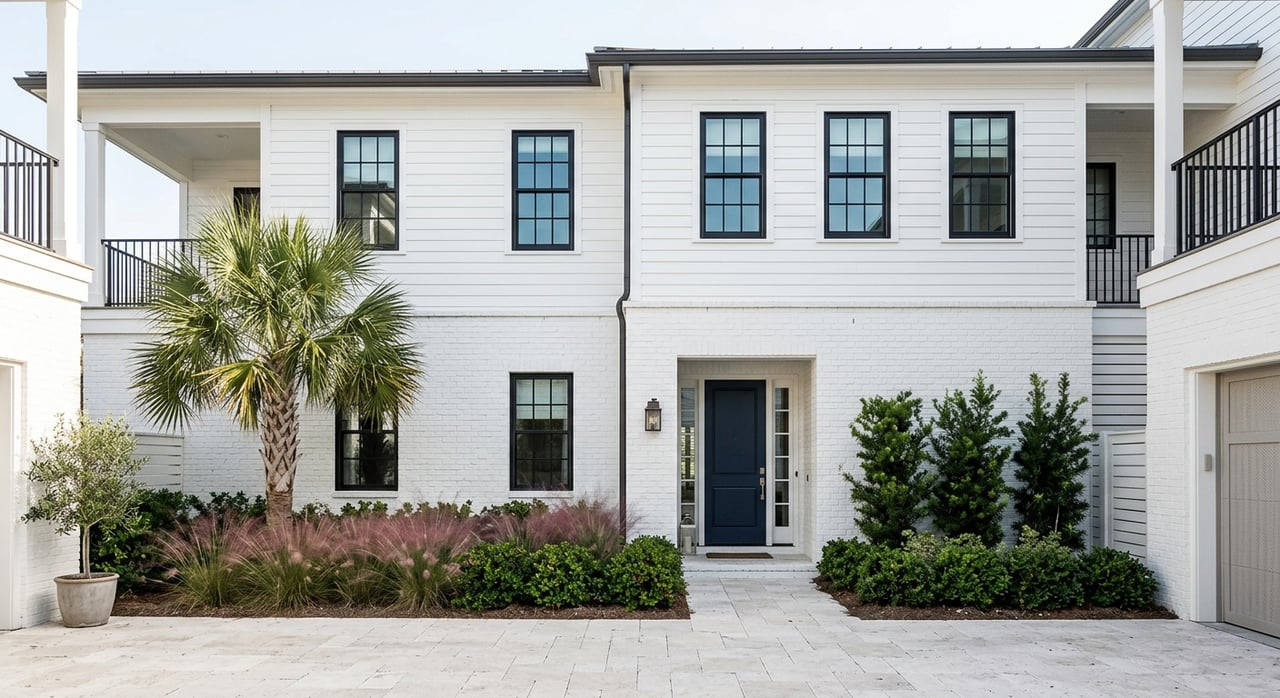
Buying in Panama City Beach is not just about finding the prettiest view or the right price. It is about choosing the ownership style that fits how you want to live, maintain, and possibly rent the property. If you are deciding between a condo, townhome, or beach house, understanding those differences upfront can save you stress later. Let’s dive in.
Why Property Type Matters
In Panama City Beach, these three options often come with three very different operating models. A condo usually means shared ownership of common elements with an association that handles much of the exterior maintenance. A townhome is often part of a homeowners’ association, where the governing documents decide what the HOA controls and what you maintain. A detached beach house may offer the most day-to-day freedom, but it can still be subject to HOA rules, rental requirements, and coastal risk factors.
That legal structure affects more than paperwork. It shapes your privacy, your maintenance load, your financial responsibilities, and the rules that apply if you want to use the property as a vacation rental.
Condo Living in Panama City Beach
What a condo usually includes
A Florida condominium gives you ownership of your unit plus an undivided share of the common elements. The association has statutory authority to maintain, repair, and replace common elements. It may also enter a unit when needed for maintenance or to prevent damage.
For many buyers, that setup feels streamlined. If you want a lock-and-leave second home or prefer less direct responsibility for exterior upkeep, a condo can be appealing.
What to watch with condo ownership
The tradeoff is control and financial exposure. Because the association manages the property, you will have less privacy and less say over many exterior and building-related decisions than you would with a detached home. Florida law also now requires a structural integrity reserve study every 10 years for qualifying buildings that are three stories or taller, and reserve funding can affect the risk of future special assessments.
On resale purchases, Florida condo law requires a detailed disclosure package. That can include the declaration, articles, bylaws, rules, annual financials, and, when applicable, the milestone inspection summary and the most recent structural integrity reserve study.
Condo buyers should ask for
Before you move forward on a condo, ask for:
- Declaration, bylaws, and rules
- Annual budget and recent financials
- Current rental policy
- Reserve status
- Any pending or recent special assessments
- Milestone inspection summary, if applicable
- Most recent structural integrity reserve study
These documents help you understand not only the property, but also the health and direction of the association.
Townhome Ownership in Panama City Beach
How townhomes are usually structured
Florida does not have a separate townhome statute. In practice, many townhomes are parcel-based properties inside a homeowners’ association rather than condominiums. That means the declaration and HOA documents play a major role in defining maintenance duties, exterior rules, and what changes require approval.
A townhome often lands in the middle of the lifestyle spectrum. You may get more privacy and control than a condo, but usually less than a detached beach house.
Why the governing documents matter
With a townhome, the details can vary a lot from one community to another. The HOA may regulate exterior appearance and parcel improvements, and Florida HOA law requires boards to adopt hurricane-protection specifications. That means one community may handle more shared maintenance, while another may leave most of it to you.
This is why two townhomes that look similar online can come with very different ownership experiences.
Townhome buyers should ask for
If you are considering a townhome, bring these questions to your agent:
- Is the property legally a condo or an HOA parcel?
- Who maintains the roof, exterior walls, and windows?
- What exterior changes need HOA approval?
- Does the HOA have written hurricane-protection specifications?
- What assessments or fees should you expect?
Those answers will tell you how much flexibility and responsibility come with the property.
Beach House Ownership in Panama City Beach
Why buyers love detached homes
A detached beach house usually offers the most privacy, control, and flexibility in daily use. If you want your own lot, fewer shared walls, and a more independent ownership experience, this option often feels the most personal.
It can also be a strong fit if your lifestyle centers on outdoor living, guest space, or a long-term second-home plan.
What buyers still need to verify
A detached house is not automatically free from rules. It may still be located in an HOA or deed-restricted community, and if you plan to rent it on a short-term basis, local licensing and tax rules can apply. Also, while a single-family house with three or fewer habitable stories is outside Florida’s milestone inspection statute, that does not remove the need for careful due diligence.
In Bay County, flood exposure is an important part of that review. The county notes that the area is highly prone to flood hazards tied to hurricanes, tropical storms, and intense rainfall, and that standard property insurance does not cover flood damage.
Beach house buyers should ask for
For a detached beach house, ask for:
- Flood zone information
- Evacuation zone information
- Elevation certificate, if available
- Insurance assumptions or recent coverage details
- Any HOA or deed restrictions
- Short-term rental compliance steps, if rental income matters to you
One key point in coastal buying is that flood zone and evacuation zone are not the same thing. You will want clarity on both.
Comparing the Lifestyle Tradeoffs
Maintenance and convenience
If low exterior maintenance is high on your list, condos usually bundle the most upkeep into association operations. Townhomes vary based on the declaration and HOA structure. Beach houses often place the greatest maintenance responsibility on you.
That does not make one better than another. It simply means each option supports a different kind of ownership experience.
Privacy and control
Detached beach houses generally offer the most control over the lot and the least day-to-day oversight. Condos usually offer the least privacy because of shared spaces and association access rights. Townhomes often sit in the middle.
If your ideal coastal lifestyle includes simplicity and shared amenities, a condo may feel easy. If you want more autonomy, a beach house may feel more natural.
Financial risk and planning
Every property type can come with ongoing costs beyond the purchase price. Condo owners should pay especially close attention to reserve funding, structural studies, and the possibility of special assessments. HOA communities, including many townhome neighborhoods, may also levy assessments under their governing documents.
This is why the monthly fee alone never tells the full story. You need to understand what that fee covers, what it does not cover, and what future expenses could still arise.
Rental Rules in Panama City Beach
Inside Panama City Beach city limits
If the property is within the city limits of Panama City Beach and you plan to use it as a vacation rental, the city requires a valid Vacation Rental Certificate. Rentals must be re-registered and reinspected annually, and the owner must also obtain the city’s business tax receipt.
The city also requires exterior identification. Single-family vacation rentals must post a visible street sign, while condos and other rentals use a decal or sticker on an exterior door or window. City rules also address parking, occupancy, noise, and posted emergency information.
In unincorporated Bay County
Outside the city, Bay County has its own short-term vacation rental ordinance for transient public lodging establishments such as single-family through four-family dwellings. The county currently exempts high-rise condominium units and apartment complexes from that county ordinance.
Bay County also states that the tourist development tax is a 5% bed tax for short-term and vacation rentals in the Panama City Beach area. Owners and operators must register, collect, and remit that tax themselves.
A note on homestead use
If you are thinking about using a property as both a primary residence and a rental, tax treatment deserves careful review. Florida law states that renting all or substantially all of a dwelling previously claimed as homestead constitutes abandonment until the owner physically reoccupies it.
For buyers planning a mixed-use approach, this is a smart issue to review early as part of your ownership strategy.
How to Choose the Right Fit
The best choice usually comes down to how you want to balance four things: maintenance, privacy, association oversight, and rental compliance. A condo can work well if you want convenience and shared management. A townhome may be the sweet spot if you want some independence with some structure. A beach house may be the right move if you want the most personal control and are comfortable handling more details.
In other words, this is not only a property decision. It is a lifestyle decision with legal and financial layers behind it.
A thoughtful buying process in Panama City Beach starts with matching the operating model to your real-life plans. That includes how often you will use the property, whether you want rental income, how much maintenance you want to carry, and how much flexibility matters to you over time.
If you are weighing a condo, townhome, or beach house in Panama City Beach, the right guidance can make the decision much clearer. The Judy Gibbons Group offers concierge-level support for second-home and coastal buyers who want a polished, informed path from search to closing.
FAQs
What is the main difference between a condo and a townhome in Panama City Beach?
- A condo usually includes shared ownership of common elements with association control over much of the property, while many townhomes are parcel-based HOA properties where the declaration decides maintenance duties and exterior rules.
What should condo buyers review before buying in Panama City Beach?
- Condo buyers should review the declaration, bylaws, rules, annual budget, financials, reserve status, rental policy, any special assessments, and, if applicable, the milestone inspection summary and structural integrity reserve study.
What should townhome buyers ask about in Panama City Beach?
- Townhome buyers should ask whether the property is legally a condo or HOA parcel, who maintains the roof and exterior, what changes need approval, and whether the HOA has hurricane-protection specifications.
What flood questions should beach house buyers ask in Bay County?
- Beach house buyers should ask about the flood zone, evacuation zone, elevation certificate, insurance assumptions, and any community restrictions that may still apply.
What vacation rental rules apply in Panama City Beach city limits?
- Vacation rentals within Panama City Beach city limits need a valid Vacation Rental Certificate, annual re-registration and inspection, a business tax receipt, and compliance with local rules on identification, parking, occupancy, noise, and emergency information.
What short-term rental tax applies in the Panama City Beach area?
- Bay County states that short-term and vacation rentals in the Panama City Beach area are subject to a 5% tourist development tax that owners or operators must register for, collect, and remit themselves.
Can renting a Panama City Beach property affect Florida homestead status?
- Yes. Florida law states that renting all or substantially all of a dwelling previously claimed as homestead constitutes abandonment until the owner physically reoccupies it.