Picture your mornings with a quick walk to Oak Street Beach, coffee in hand, and your evenings steps from renowned dining and shopping. If you love convenience, service, and a low‑maintenance lifestyle, Chicago’s Gold Coast delivers it in spades. In this guide, you’ll learn how to evaluate amenities, compare HOA dues, understand taxes and parking, and spot the building policies that support easy lock‑and‑leave living. Let’s dive in.
Why the Gold Coast works for amenity lovers
Set along Lake Michigan on the Near North Side, the Gold Coast is commonly described as the area bounded by North Avenue, Chicago Avenue, Clark Street, and the lake. It blends historic mansions and rowhouses with mid‑century towers and today’s luxury high‑rises. Proximity to the lakefront, shopping, and cultural institutions is a key lifestyle driver here. For neighborhood context, the Gold Coast Historic District overview is a helpful starting point.
What “amenity‑rich” looks like in Gold Coast buildings
Amenities vary by building age and service level. Use the three tiers below to quickly understand lifestyle tradeoffs and likely cost impacts.
Essentials you should expect
These are the baseline services that support a true lock‑and‑leave lifestyle:
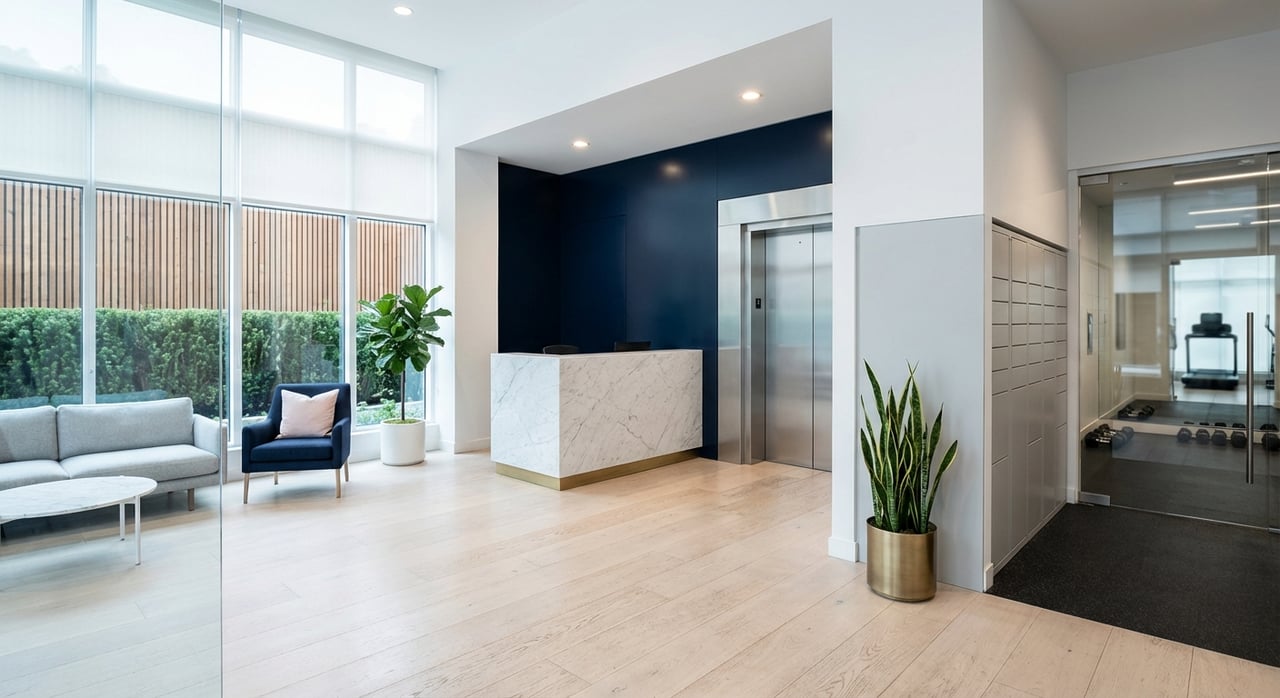
- Secure entry, attended lobby or concierge, and controlled elevator access
- Package and mail rooms
- On‑site management or an active property manager
- Trash, recycling, snow removal, exterior maintenance
These essentials come with recurring payroll, contracts, and insurance obligations that show up in monthly dues. For a clear picture of what dues often cover, review this property‑management FAQ on association expenses.
Mid‑tier conveniences you’ll see often
Many Gold Coast condo buildings add conveniences that make everyday living easier:
- Fitness center and bike room
- Resident lounge or party room
- Roof deck or terrace
- Storage lockers, meeting rooms, or guest suites
These raise operating budgets due to equipment replacement, cleaning, HVAC, and insurance, but they tend to be widely used and appreciated.
Resort‑level amenities that feel five‑star
At the high end, you’ll find lifestyle perks that rival boutique hotels:
- Indoor or outdoor pools, spa or sauna
- 24/7 concierge service and staffed doorman
- Valet parking and managed garage operations
- Private dining rooms with catering kitchens, business centers, pet spas, and guest parking
These deliver a premium experience and typically carry the highest impact on association dues and insurance.
How amenities affect your monthly costs
Understanding the cost mechanics helps you compare buildings with confidence.
What HOA dues usually include
Association dues commonly fund the master insurance policy, common‑area maintenance, building staffing, elevator and mechanical contracts, landscaping, snow removal, some building utilities (often water and sometimes heat), trash collection, amenity operations, and reserve contributions. They do not cover your mortgage, property taxes, or your HO‑6 (unit) insurance. For a useful primer, see what association dues typically include.
Reserves and special assessments
Healthy associations keep current reserve studies and set aside funds for predictable big‑ticket projects such as roofs, façade work, elevator modernizations, and garage repairs. Underfunded reserves often lead to special assessments or association loans. Request the most recent reserve study and current reserve balance early in due diligence.
Parking and EV readiness
In the Near North, deeded garage spaces can be sold with a unit or leased, and monthly garage fees commonly range from around $150 to more than $400 depending on location and service level. If you own an EV, check whether the garage is wired for chargers and whether the association has a policy for installation and metering. Chicago adopted an EV‑readiness requirement for certain new construction, which has improved charger access in newer buildings; learn more from this overview of the city’s EV‑readiness move.
Property taxes in Cook County
Gold Coast condos are subject to Cook County’s billing and deadline schedule, with first and second installments managed by the Treasurer. Timing can shift year to year, so confirm the current cycle and your specific unit’s bill using the property index number (PIN). For context on timing, review this note on Cook County property tax billing and payment.
Building types and what to expect
Different eras of construction tend to signal different service levels, amenity sets, and operating costs.
Historic and prewar conversions
Expect architectural character and walk‑up or attended‑lobby formats. Amenities may be modest, with essential services prioritized. Some older conversions carry strong service traditions but can show higher long‑term capital needs, so reserve adequacy is key.
Mid‑century towers
These buildings often combine staffed lobbies with a core amenity mix like a fitness room, lounge, or roof deck. Mechanical systems and elevators may be in mid‑life or later, so ask about modernization projects and reserve plans.
Newer luxury high‑rises
Resort‑style amenity floors, high‑efficiency systems, and robust service teams are common. Dues can be higher due to staffing and amenity operations, although newer systems sometimes offset costs with energy efficiency. Review inclusions, such as bundled cable, internet, water, or heat.
Lock‑and‑leave and pied‑à‑terre tips
If you split time between homes or travel often, target buildings designed for minimal friction.
Features to prioritize
- 24/7 attended lobby or concierge and reliable package handling
- On‑site management with clear service protocols
- Deeded or well‑managed garage parking and options for guests
- Guest suites, storage lockers, and secure bike storage
- Smart thermostats and remote‑accessible systems
Governance and leasing policies
Association rules vary. Many buildings restrict short‑term rentals, set minimum lease terms, or cap the percentage of units that can be leased. Confirm the declaration, bylaws, and recent board minutes to see how rules are enforced in practice. The Illinois Condominium Property Act is a helpful reference point when reviewing governance documents.
EV charging and modern infrastructure
If charging access matters, ask whether the garage is EV‑ready, if your deeded stall can support a charger, and how electricity is metered. Retrofitting older garages can be costly, while newer construction often plans for EV.
A smart way to compare dues
To compare value across buildings, normalize monthly dues by unit size and by what is included.
- Divide monthly dues by square footage to get a $/sq ft figure.
- List major inclusions like water, heat, gas, internet, cable, parking, and amenity access.
- Note staffing levels and hours since payroll often drives operating budgets.
- Weigh the lifestyle payoff. If you will use the pool, gym, and lounge frequently, higher dues may still deliver strong personal value.
Showing and due‑diligence checklist
Use this quick reference to keep your search focused and low stress.
Quick questions to ask on a showing
- What is the monthly association fee and what does it include (heat, water, internet, cable, parking, storage)?
- Is parking included, deeded, leased, or waitlisted? If deeded, is there a separate PIN?
- Are there any pending or recently approved special assessments? How were recent capital projects funded?
- What is the date of the last reserve study, and what is the current reserve balance relative to recommendations?
- What are the building’s leasing rules (short‑term rental restrictions, minimum lease terms, owner‑occupancy requirements)?
- Is there any ongoing litigation or insurance claim affecting the association?
Documents to request during attorney review
- Current budget and prior one to two years of budgets and actuals
- Most recent reserve study and today’s reserve account balance
- Board meeting minutes for the last 12 months and any special meeting notices
- Master insurance declarations page with deductibles and coverage limits
- Resale or estoppel certificate and an owner‑delinquency report
- List of major service contracts (elevator, boiler, pool, landscaping)
- Any engineering, façade, balcony, or structural reports
- Governing documents: Declaration, bylaws, rules and regulations, and amendments
Unit‑level inspection priorities
- Windows and balcony waterproofing, with an eye for stains or past leaks
- In‑unit mechanicals, HVAC age, and hot‑water systems
- Plumbing riser condition, noise, and any building‑wide replacement plans
- Elevator modernization status and major mechanical upgrades
Red flags that warrant a pause
- No recent reserve study or reserves far below recommended levels
- Repeated special assessments without a clear plan
- Association litigation that could affect financing or insurability
- High owner‑delinquency rates on dues
- Board or management reluctant to share documents
Build your carrying‑cost estimate
Create a full monthly picture before you write an offer. A simple formula is helpful:
- Mortgage principal and interest
- Property taxes (convert annual bill to a monthly amount)
- HOA or condo dues
- HO‑6 (unit) insurance
- Owner‑paid utilities not included in dues
- Parking or garage fees
- A maintenance and contingency buffer, often 0.5 to 1 percent of purchase price annually, scaled for building age and visible deferred maintenance
Ready to tour the Gold Coast?
If you want an amenity‑rich condo that fits your lifestyle and budget, you need clear comparisons, strong due diligence, and a guide who knows the buildings behind the glossy lobbies. Our team curates options, models carrying costs, and negotiates with your end goal in mind. When you are ready, connect with the Judy Gibbons Group to plan a tailored Gold Coast tour and shortlist.
FAQs
What are Chicago’s Gold Coast boundaries?
- The area is commonly described as North Avenue to the north, Chicago Avenue to the south, Clark Street to the west, and Lake Michigan to the east, aligning with the Gold Coast Historic District context.
Do more amenities always mean higher HOA dues?
- Heavily staffed services and energy‑intensive features like pools tend to raise dues, but inclusions and building efficiency matter, so compare by $/sq ft and what is covered.
What do condo association dues usually cover in Chicago?
- Dues often fund master insurance, common‑area maintenance, staffing, mechanical contracts, some utilities, amenities, and reserves; they do not cover your mortgage, taxes, or HO‑6 policy.
Are short‑term rentals typically allowed in Gold Coast condos?
- Many associations restrict short‑term rentals and set minimum lease terms; confirm rules in the declaration, bylaws, and recent meeting minutes during due diligence.
How do Cook County property taxes work for condos?
- Taxes follow the county’s installment billing schedule; verify your unit’s bill and timing with the Treasurer’s office and convert the annual total into a monthly estimate when budgeting.
Can I add EV charging to my deeded garage space?
- It depends on the building’s electrical capacity and policies; newer projects may be EV‑ready, while older garages might require upgrades and board approval.